


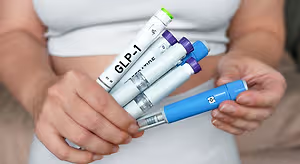
GLP-1 Drugs & Diabetic Eye Disease: Retinal Risks & Warning Signs
GLP-1 medications have changed how many people manage type 2 diabetes and weight loss. Drugs such as Ozempic® and Wegovy® have become increasingly common, helping patients regulate blood sugar and manage certain metabolic health concerns. But as more people begin using these medications, questions about their potential effects on eye health are growing.
For patients with diabetes, one concern deserves particular attention: diabetic retinopathy, an eye disease that damages the blood vessels in the retina and can cause permanent vision loss.
So, can GLP-1 drugs affect your eyesight? The answer is more complicated than a simple yes or no. Understanding the relationship between these medications, blood sugar changes, and retinal health can help you recognize warning signs and protect your vision.
What Are GLP-1 Drugs, and How Do They Work?
Glucagon-like peptide-1 (GLP-1) receptor agonists are medications that mimic a naturally occurring hormone involved in regulating blood sugar and appetite.
These medications help the body release insulin when blood sugar is elevated, reduce the release of glucagon, and slow stomach emptying. Some also help patients feel fuller for longer, supporting weight management.
Common GLP-1 medications include:
- Ozempic® (semaglutide): Used to treat type 2 diabetes.
- Wegovy® (semaglutide): Used for chronic weight management and certain other approved indications.
- Trulicity® (dulaglutide): Used to manage type 2 diabetes.
- Victoza® (liraglutide): Used to improve blood sugar control in patients with type 2 diabetes.
Mounjaro® (tirzepatide) is another commonly discussed medication. Although frequently grouped with GLP-1 drugs, it acts on both GLP-1 and glucose-dependent insulinotropic polypeptide (GIP) receptors.
These medications can provide substantial health benefits, but patients with diabetes should understand how changes in blood sugar may affect their eyes.
Can GLP-1 Drugs Increase the Risk of Diabetic Retinopathy?
Some research has identified an increased risk of diabetic retinopathy complications in certain patients taking semaglutide, particularly those with existing retinal disease and substantial, rapid improvements in blood sugar. However, this does not mean GLP-1 medications directly damage the retina or that every patient faces the same risk.
Diabetic retinopathy develops when prolonged high blood sugar damages the retina's delicate blood vessels. Over time, these vessels may leak, swell, or become blocked, potentially affecting central and peripheral vision.
Interestingly, rapidly improving blood sugar can sometimes temporarily worsen existing diabetic retinopathy. This phenomenon, known as early worsening, has been observed with intensive diabetes treatment, including treatments unrelated to GLP-1 medications.
What Does the Research Say?
The SUSTAIN-6 clinical trial examined cardiovascular outcomes in patients with type 2 diabetes receiving semaglutide. Researchers reported diabetic retinopathy complications in 3.0% of patients receiving semaglutide, compared with 1.8% receiving placebo.
Further analysis suggested that rapid reductions in blood sugar contributed to the increased risk, particularly among patients with preexisting diabetic retinopathy, poor baseline blood sugar control, or insulin use.
Other studies have produced mixed findings, and researchers continue investigating whether individual GLP-1 medications have different effects on retinal health.
The distinction matters: better long-term blood sugar control generally protects the eyes, even though rapid improvements can create short-term concerns for some patients.
Warning Signs of Diabetic Eye Disease You Shouldn't Ignore
Diabetic retinopathy often develops without noticeable symptoms. You may have retinal damage even when your eyesight seems perfectly normal.
As the condition progresses, however, several symptoms can emerge.
Blurry or Fluctuating Vision
Changes in blood sugar can temporarily affect how clearly you see. However, persistent or worsening blurry vision may indicate retinal swelling, diabetic macular edema, or another eye condition.
New Floaters or Dark Spots
Floaters may appear as small specks, threads, or shadowy shapes moving across your vision.
A sudden increase in floaters can indicate bleeding inside the eye, particularly in patients with advanced diabetic retinopathy.
Difficulty Seeing Fine Details
The macula is the central portion of the retina responsible for detailed vision. When diabetes causes fluid to accumulate in this area, reading, recognizing faces, and performing close-up tasks can become difficult.
Sudden Vision Loss
Sudden changes in vision should never be dismissed as an ordinary medication side effect.
A sudden loss of sight, a dark curtain across your vision, or new flashes of light requires urgent medical evaluation. These symptoms may indicate retinal detachment, bleeding, or another serious eye condition.
If you experience sudden vision loss, seek emergency eye care immediately rather than waiting for a routine appointment.
How Can You Protect Your Eyes While Taking GLP-1 Medications?
The goal isn't to avoid medications that may improve your overall health. It's to make sure your diabetes management plan accounts for your vision as well.
Schedule Regular Dilated Eye Exams
A comprehensive dilated eye exam allows your optometrist to examine the retina and identify changes that may not yet affect your vision.
Most adults with diabetes need regular retinal evaluations, although the recommended frequency depends on diabetes type, previous findings, and individual risk factors.
If you have existing diabetic retinopathy, your eye doctor may recommend more frequent monitoring, particularly when your diabetes treatment changes.
Discuss Existing Eye Conditions Before Starting Treatment
Tell your prescribing clinician if you've previously been diagnosed with diabetic retinopathy, diabetic macular edema, or another retinal condition.
Your eye doctor should also know about significant changes to your diabetes medications, including starting semaglutide or another GLP-1 treatment.
Communication between your healthcare providers helps them determine whether additional retinal monitoring is appropriate.
Monitor Changes in Your Vision
Pay attention to new or worsening symptoms, especially during the first several months after a major change in diabetes treatment.
Even subtle visual changes deserve attention when you have diabetes.
Continue Managing Your Overall Health
Maintaining healthy blood sugar, blood pressure, and cholesterol levels can reduce the risk of developing or worsening diabetic eye disease.
Follow your prescribing clinician's recommendations, and never stop or adjust a GLP-1 medication without medical guidance.
GLP-1 Drugs and Eye Health: Frequently Asked Questions
Can Ozempic® Cause Blindness?
Ozempic® has been associated with diabetic retinopathy complications in certain patients and has also been linked to a rare optic nerve condition called non-arteritic anterior ischemic optic neuropathy (NAION).
However, these risks are not the same as saying Ozempic® routinely causes blindness. Individual risk varies, and many patients benefit substantially from the medication.
Any sudden vision loss requires emergency medical attention.
Should I Stop Taking GLP-1 Medication if My Vision Changes?
Do not independently stop your medication. Contact your prescribing clinician promptly and arrange an eye examination.
If your vision changes suddenly or severely, seek emergency care immediately. Your healthcare providers can assess the cause and determine whether your treatment needs adjustment.
Can Diabetic Retinopathy Develop Without Symptoms?
Yes. Early diabetic retinopathy frequently causes no noticeable vision changes.
That's why regular diabetic retinal examinations are essential, even when your prescription hasn't changed and your eyes feel comfortable.
Do I Need an Eye Exam Before Starting Semaglutide?
If you have diabetes, particularly if you already have diabetic retinopathy or are overdue for a retinal examination, it's worth discussing an eye exam with your healthcare team before beginning treatment.
Not every patient requires a separate pre-treatment appointment, but establishing your retinal health and monitoring needs can help your doctors make informed decisions.
Protect Your Retinal Health with Artisan Optics in Boise, ID
Managing diabetes requires attention to more than blood sugar alone. Your eyes can reveal important changes in your health, sometimes before symptoms become noticeable.
At Artisan Optics, our experienced optometrists combine advanced diagnostic technology with thoughtful, individualized care. We take the time to understand your medical history, medications, and vision concerns, helping you make informed decisions about your long-term eye health.
Whether you've recently started a GLP-1 medication, have an existing diabetes diagnosis, or are due for a comprehensive eye exam, our Boise team is here to help you stay informed and proactive.
Schedule your eye exam with Artisan Optics in Boise, Idaho, or call 208-377-8899 to discuss your eye care needs.